
Reviews
Hue Shift Focus stands out for its quiet confidence. It does not need flashy effects or high scores to engage players. The core loop of watching for subtle color changes and responding with careful taps is surprisingly absorbing. The difficulty ramps up naturally, and the clean visuals keep the focus where it belongs. This is a great pick for anyone who enjoys puzzles that reward attention rather than speed. It is also a safe, screen-time-friendly option for families.
Description
Core Visual Challenge
At the heart of Hue Shift Focus lies a simple but engaging concept: players must detect slight changes in color across the play area. These shifts are not dramatic; they are subtle, requiring a quiet eye and steady attention. When a color change occurs, the player must respond with a precisely timed action. This might mean tapping a specific spot, dragging an object to a new location, or releasing a held item at just the right moment. The game does not rush the player. Instead, it creates a space where careful looking and deliberate movement are the keys to progress. Each completed action brings a small sense of accomplishment, reinforcing the value of patience.
Level Design and Progression
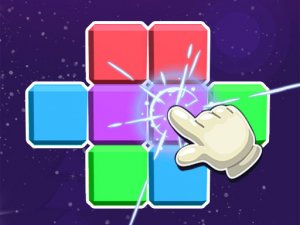
Each stage in Hue Shift Focus introduces a new arrangement of colored elements. Early levels might feature large, clearly separated blocks that change hue in a predictable pattern. Later stages increase complexity by adding more elements, faster change cycles, or similar colors that are harder to distinguish. The difficulty curve is gentle, allowing players to build confidence before facing tougher challenges. There are no timers or score multipliers to create pressure. Instead, the game trusts the player to move at their own pace. This design choice makes the experience accessible to younger players and those looking for a low-stress mental workout.
Visual Style and Atmosphere
The game uses a clean, minimal visual style that puts color front and center. Backgrounds are kept simple, often using neutral tones that do not distract from the main puzzle elements. The palette leans toward soft, pleasant colors that are easy on the eyes over long sessions. Smooth transitions between states help maintain a calm mood. Sound design, if present, likely includes gentle tones or subtle audio cues that signal a color change without being jarring. The overall atmosphere is one of quiet focus, similar to sorting objects by shade or matching paint samples. This aesthetic supports the core gameplay loop without overwhelming the senses.
Family-Friendly Design Choices
Hue Shift Focus is built to be shared. The controls are straightforward, requiring only taps or clicks, so even very young players can participate with minimal guidance. There is no violent content, no complex menus, and no need to read lengthy instructions. The game naturally encourages conversation between players as they discuss which color just changed or where to move next. Because each attempt is short, it fits easily into a few minutes of free time. Parents can feel comfortable letting children play without supervision. The focus on observation and accuracy also offers a gentle cognitive exercise that may help improve attention to detail in a fun, low-pressure context.
Tips for Getting Started
New players should begin by simply watching the screen without trying to act. Notice how the colors behave and how long changes take to appear. Once you feel comfortable with the rhythm, start making moves slowly. It is better to wait an extra second than to rush and miss a cue. If you get stuck on a particular stage, try looking at the edges of the screen first, as changes often appear there. Taking a short break and returning with fresh eyes can also help. The game rewards a calm approach, so breathe and enjoy the process of noticing small details.




Comments
Sign in to comment
You must be logged in before posting a review or rating.
No account? Create one
No comments yet. Be the first to comment!