
Reviews
Precision Leap Runner strips away unnecessary complexity to focus on a single, satisfying mechanic: timing your jumps. The cheerful visuals and upbeat music create a low-pressure environment where failure feels like a learning step, not a punishment. The game excels at teaching pattern recognition through repetition, making it a great choice for both casual players and those looking to sharpen their reflexes. Its family-friendly design ensures it can be enjoyed by all ages without concern.
Description
Rhythm & Reaction
At its heart, Precision Leap Runner is about mastering the flow of movement. Players control a character that must navigate through a continuous stream of obstacles. Success depends on reading the visual cues and syncing jumps with the rhythm of the environment. Unlike games that rely on random chance, this title rewards careful observation and consistent timing. Each obstacle wave presents a unique pattern that players learn to anticipate, turning each session into a practice in coordination and focus.
Visual Style & Atmosphere
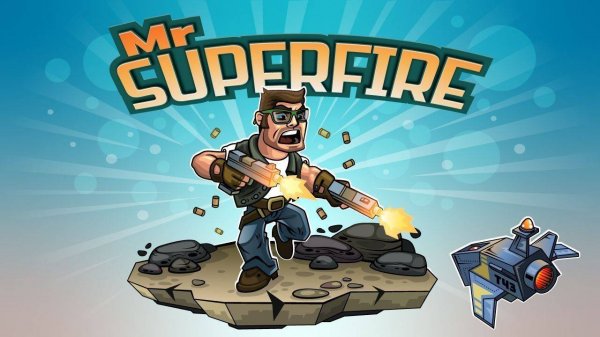
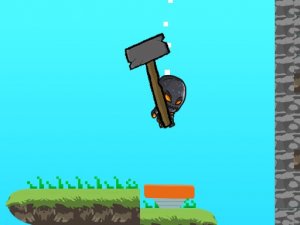
The game world is built with bright, saturated colors and simple, friendly character designs. The background music is upbeat and looped to keep energy levels high without becoming distracting. This combination creates a welcoming space where players can concentrate on the action. The art avoids any threatening imagery, making it suitable for younger audiences. The overall presentation supports the core gameplay loop by providing clear visual feedback for every successful jump and near-miss.
Progression Through Practice
There is no complex upgrade system or story to follow. Advancement comes purely from the player's growing skill. As players clear more waves, they naturally develop a better sense of timing and spatial awareness. The game encourages repeated attempts by making each run a fresh learning opportunity. This design philosophy means that anyone, regardless of initial ability, can see improvement over time. The satisfaction comes from personal achievement rather than external rewards.
Accessible Controls
The control scheme is intentionally minimal. Players use a single action—a jump—to interact with the game. This simplicity allows the focus to remain on the timing and positioning of each leap. The controls are responsive, ensuring that mistakes feel like a matter of personal timing rather than unresponsive input. This straightforward approach makes the game easy to pick up for newcomers while still offering depth for those who want to master it.





Comments
Sign in to comment
You must be logged in before posting a review or rating.
No account? Create one
No comments yet. Be the first to comment!