
Reviews
Voyager's Light succeeds in creating a calm yet engaging puzzle experience aboard a damaged space station. The flashlight battery management and map system add practical depth without overwhelming the player. The puzzles are well-paced, offering a satisfying challenge for newcomers and veterans alike. The visual design and audio cues work together to build a believable environment. While the story is simple, the act of rescuing crew members and restoring systems provides a clear sense of purpose. A solid choice for fans of first-person puzzle games.
Description
Core Mission and Setting
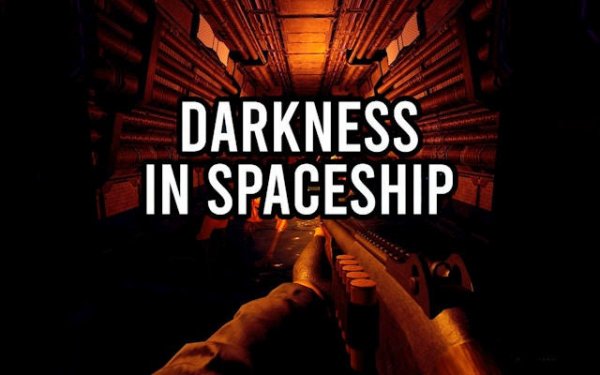
Voyager's Light places players aboard a large interstellar vessel that has suffered a critical system failure. The ship's navigation and power grids have gone offline, leaving crew members isolated in different compartments. As a safety officer, the player's primary objective is to move through the station's corridors, locate each missing person, and repair the essential infrastructure needed to resume the voyage. The environment is designed to feel like a real working space station, with distinct zones that reflect different functions such as engineering bays, living quarters, and command centers.
Exploration and Navigation Tools
Movement through the station relies on standard directional controls, and interaction with objects uses a single action button. A portable flashlight helps illuminate darker areas, and its battery must be managed by finding replacement cells scattered throughout the environment. A digital map tracks which sections have been visited and marks the locations of crew members who have been found. This map is essential for planning efficient routes and avoiding unnecessary backtracking. Environmental clues such as panel labels and written notes provide context about what needs to be done in each area.
Puzzle and Repair Mechanics
The puzzles in Voyager's Light are designed to be logical and accessible, focusing on tasks like opening locked doors, rebooting malfunctioning systems, and clearing debris from pathways. Players collect spare parts and power cells that are required for specific repairs. Some puzzles involve matching symbols or following sequences indicated by nearby clues. The difficulty ramps up gradually, ensuring that newcomers can learn the basics before facing more complex challenges. The game avoids timed pressure, allowing players to think through each problem at their own pace.
Visual Atmosphere and Audio Design
The visual style emphasizes clean, futuristic interiors with soft lighting and subtle color accents. The station's design conveys a sense of advanced technology that has been temporarily disrupted. Audio cues such as distant alarms, humming machinery, and occasional communications from stranded crew members build an immersive atmosphere without being overwhelming. The combination of visual and audio elements helps players feel the isolation and urgency of the situation while maintaining a calm, methodical tone.
Progression and Crew Interaction
As players rescue crew members, they receive hints about nearby puzzles or the location of useful items. These interactions are simple but reinforce the cooperative theme. Restoring power to different sections unlocks new areas and reveals additional objectives. The overall progression is linear but offers some freedom in the order of exploration within each unlocked zone. The game rewards thoroughness, as missing a spare part or power cell early can make later repairs more difficult.








Comments
Sign in to comment
You must be logged in before posting a review or rating.
No account? Create one
No comments yet. Be the first to comment!